Careers in health, fitness, and sports-related fields.
Overview
The Exercise Science program prepares you for roles in fitness assessment, athletic performance, rehabilitation, and preventative healthcare. It is designed to meet the growing demand among college-bound students for careers in health, fitness, and sports-related fields and will offer two areas of emphasis: strength and conditioning or exercise physiology.
Why McPherson for Exercise Science?
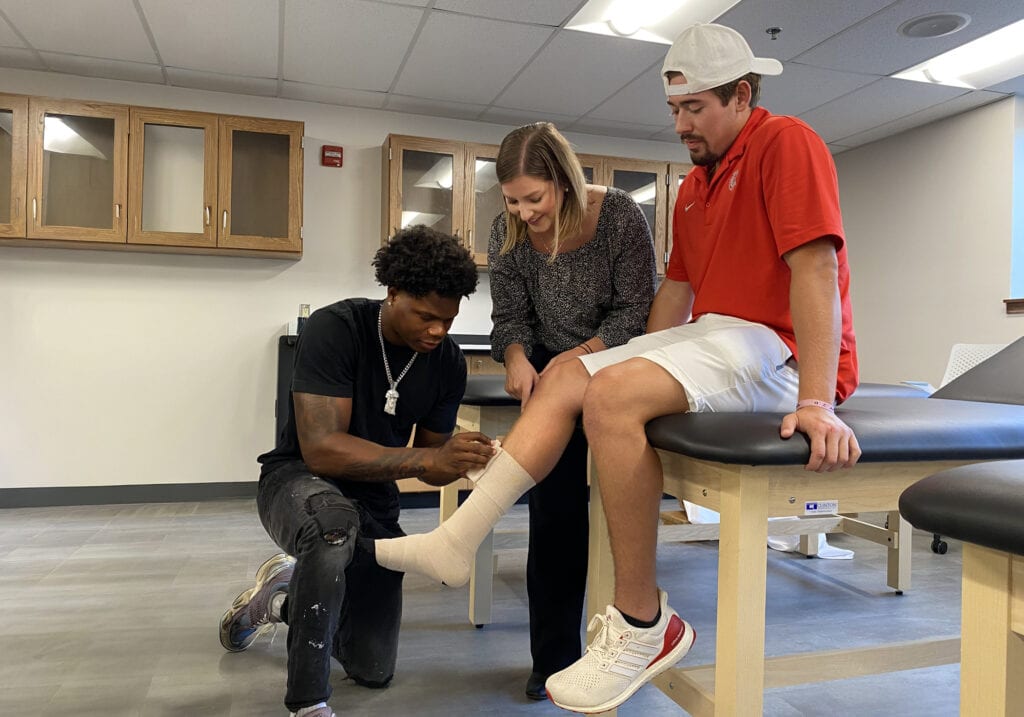
- Develop practical skills through lab work, performance testing, and real-world application of exercise science principles
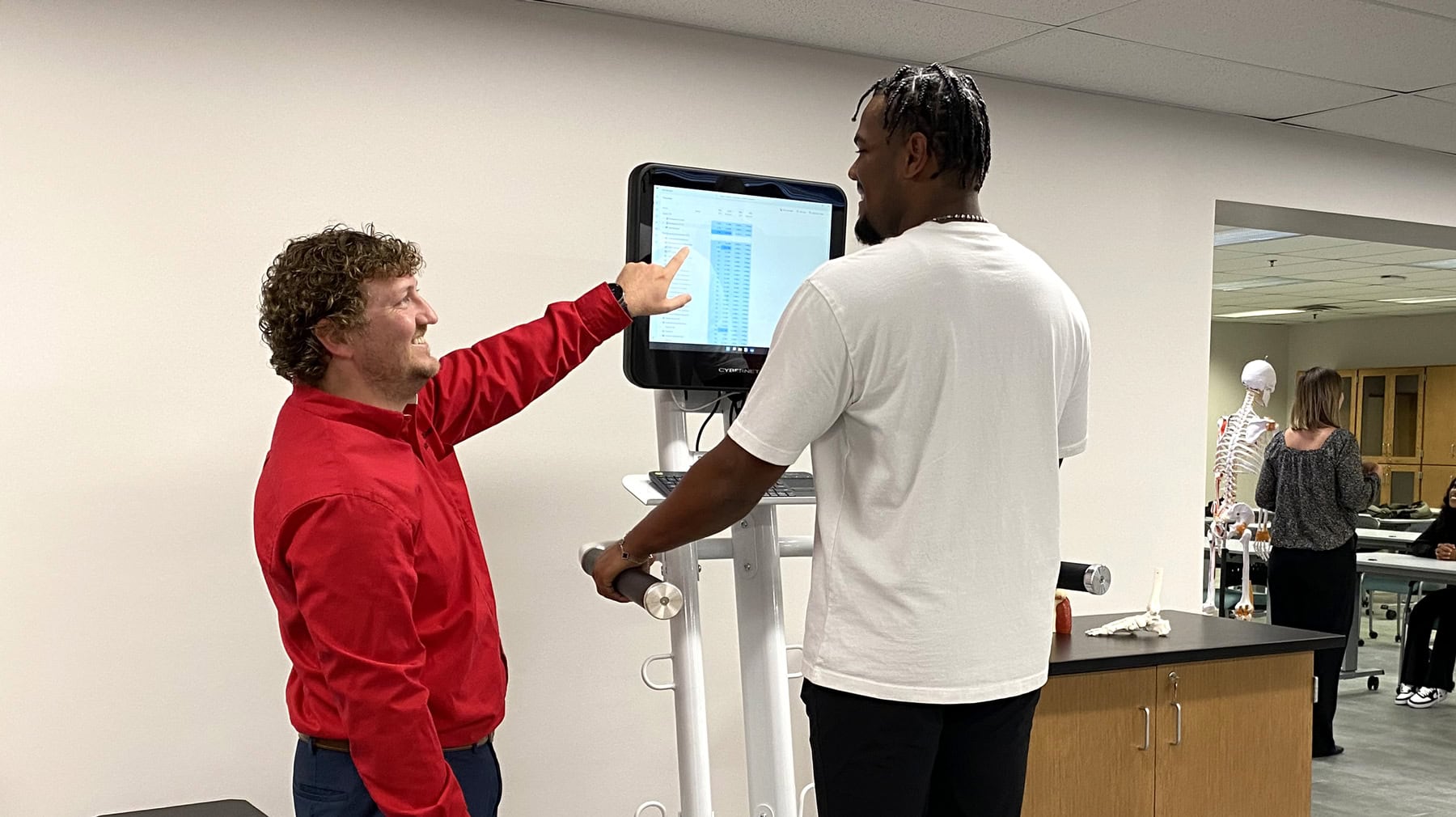
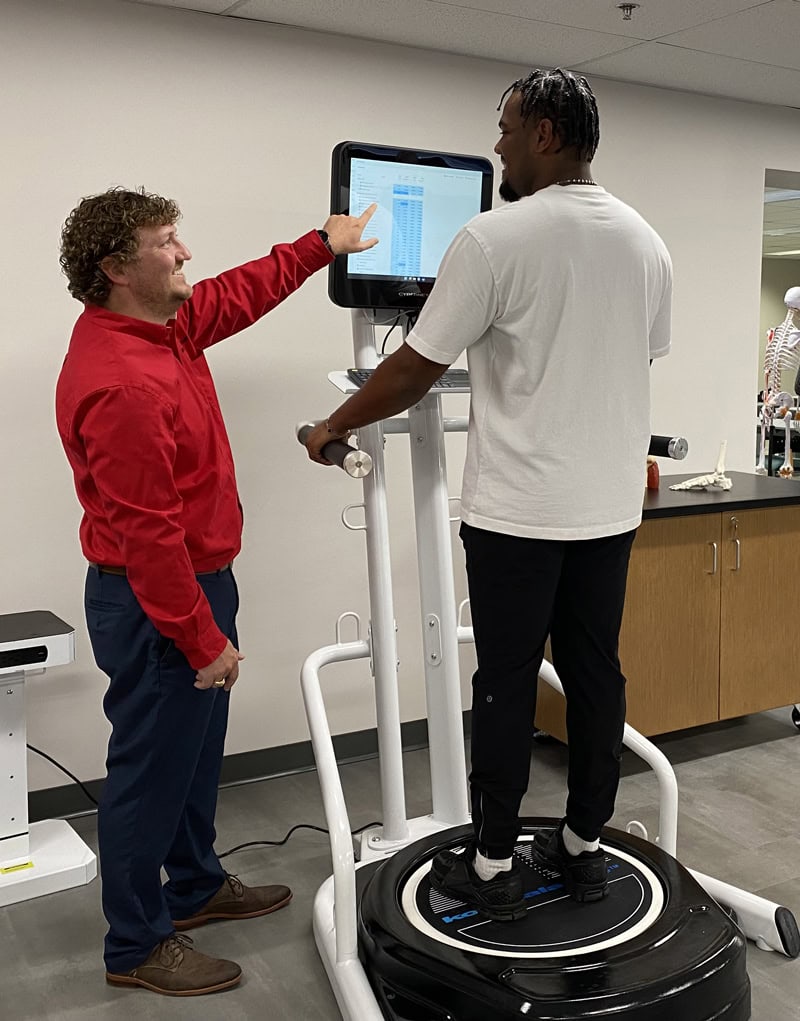
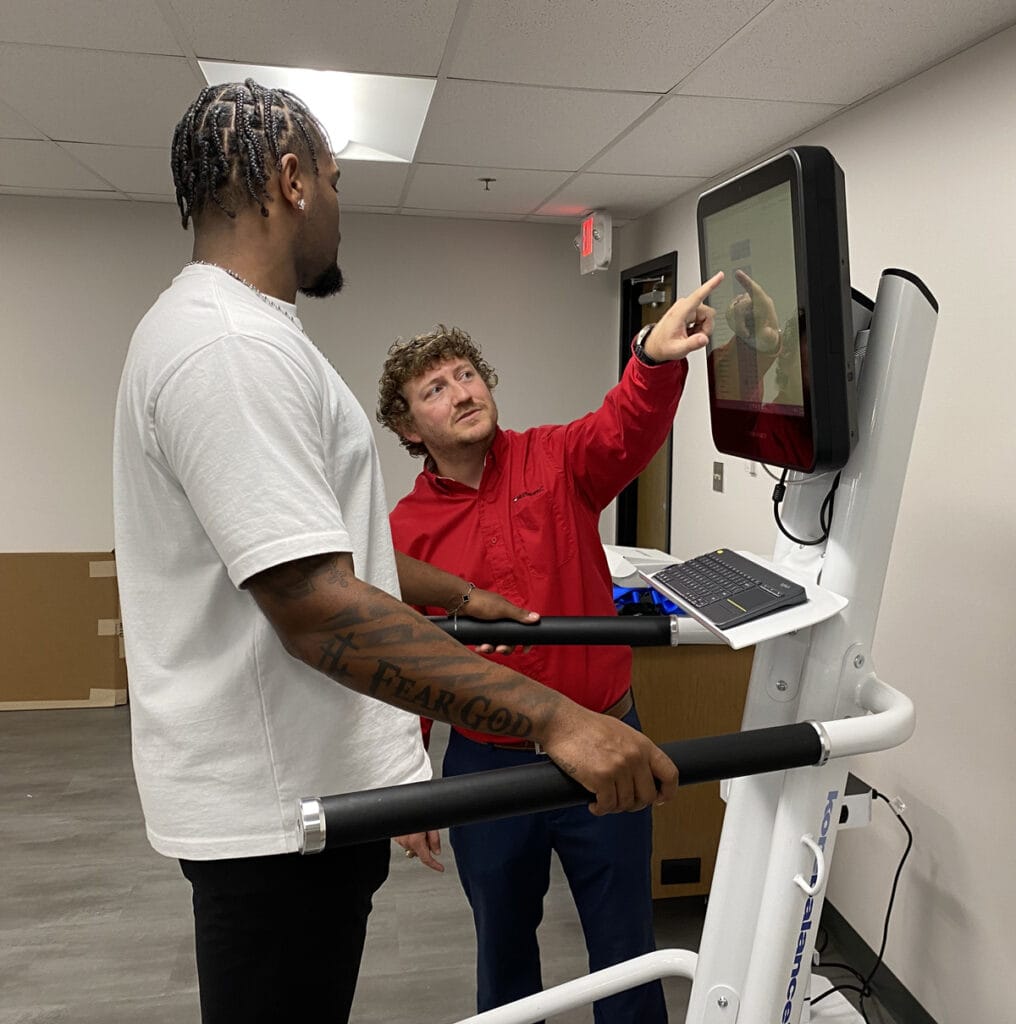
- Learn in newly constructed labs equipped with advanced technology for human performance and fitness
- Access opportunities to earn industry-recognized certifications while completing your degree
Program Emphases
Strength and Conditioning
Teaches students the scientific principles of human movement, performance, and health while equipping graduates with the skills needed to work as strength and conditioning coaches, personal trainers, or performance specialists in athletic, clinical, or fitness settings.
Exercise Physiology
Focuses on the study of how the body responds and adapts to physical activity, training, and various health conditions. Students gain the skills to assess physiological responses, interpret data, and design safe, effective exercise interventions for performance enhancement, disease prevention, and recovery.
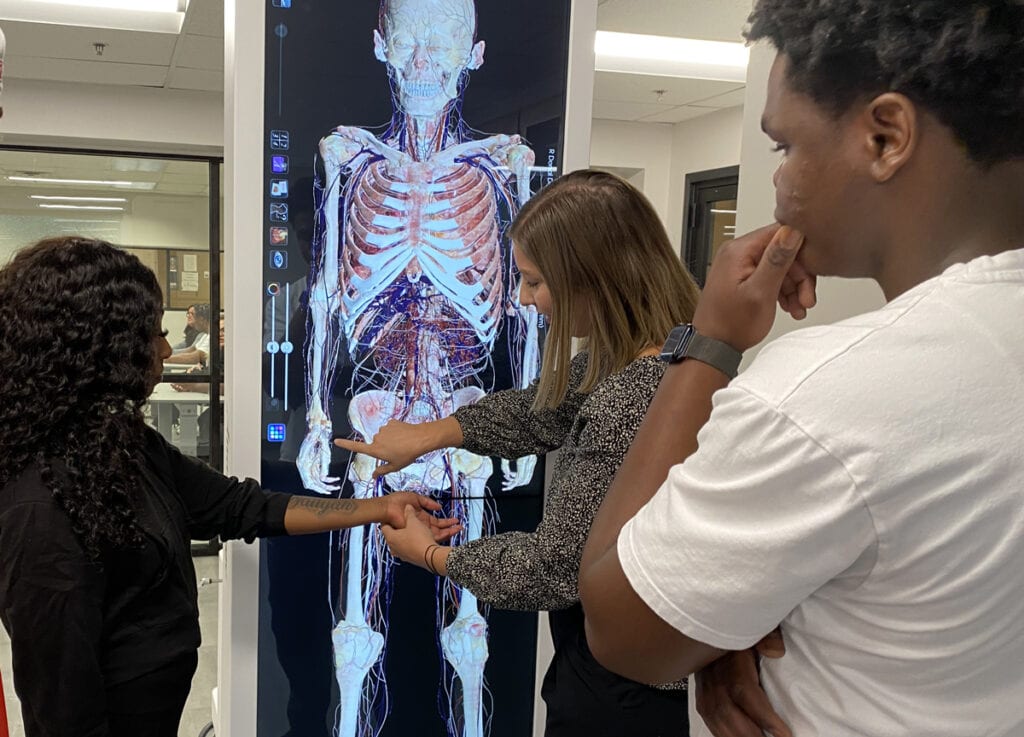
Recent enhancements to Melhorn Science Hall include updated biology, chemistry, and computer labs and a new exercise science lab with innovative equipment and technology, including Anatomage tables — state-of-art 3D virtual dissection and anatomy learning tools.
Career Paths
According to the U.S. Bureau of Labor Statistics, employment in strength and conditioning is projected to grow by 14% over the next decade, while jobs in exercise physiology are expected to increase by 10%.
The Exercise Science major can lead to a career as a:
Strength & Conditioning
- Strength & Conditioning Coach – College, professional, or high school sports programs
- Sports Performance Specialist – Athletic academies, private training facilities, or sports organizations
- Athletic Development Coach – Youth sports clubs, elite training centers
- Personal Trainer – Commercial gyms, private studios, or independent practice
- Group Fitness Instructor – Recreation centers, fitness clubs, or wellness programs
- Corporate Wellness Coordinator – Corporate health and fitness initiatives
- Exercise Specialist – Cardiac rehab, physical therapy clinics, or hospital wellness programs
- Corrective Exercise Specialist – Injury prevention and recovery programs
- Fitness/Rehabilitation Technician – Assisting physical therapists or athletic trainers
- Military or Tactical Strength & Conditioning Coach – Training for police, fire, or armed forces
- Community Health & Fitness Coordinator – Nonprofits, public health programs, or parks and recreation
- Graduate School Preparation – Foundation for advanced study in physical therapy, occupational therapy, exercise physiology, athletic training, or chiropractic medicine
Exercise Physiology
- Exercise Physiologist – Hospitals, cardiac/pulmonary rehabilitation programs, or outpatient clinics
- Clinical Exercise Specialist – Working with patients managing chronic conditions such as heart disease, diabetes, or obesity
- Rehabilitation Aide/Technician – Supporting physical therapists, occupational therapists, or rehab specialists
- Personal Trainer – Gyms, fitness centers, or private practice, with emphasis on health-based training
- Wellness Coach – Corporate wellness programs, healthcare systems, or independent consulting
- Health Promotion Specialist – Community health organizations, nonprofits, or government wellness initiatives
- Research Assistant – Exercise physiology labs, universities, or medical research facilities
- Human Performance Specialist – Applied testing and monitoring for athletes, tactical populations, or occupational health
Curriculum
Exercise Science courses inlcude:
- PE 100: Introduction to Exercise and Sports
- PE 110: Emergency Care and First Aid
- PE 225: Sports Kinesiology
- PE 233: Principles of Personal Training
- PE 234: Principles of Group Exercise Instruction
- PE 305: Organization and Management of Fitness Facilities
- PE 333: Principles of Tactical Strength Training
- PE 335: Biomechanics
- PE 340: Fitness Test and Measurements
- PE 345: Sports Injury Epidemiology
- PE 350: Theory of Strength Training and Conditioning I
- HS 360: Health Aspects of Aging
- PE 375: Corrective Exercise Training
- PE 435: Clinical Exercise Physiology
- PE 440: Exercise Testing/Prescription for Special Populations
- PE 450: Theory of Strength Training and Conditioning II
- PE 455: Motor Neuroscience and Disordered Behavior
- PE 460: Exercise Electrocardiography
Faculty & Staff
Molly Brown PhD
- Director of Healthcare Initiatives
Jamie Fuqua B.S.
- Assistant Professor of Health Science
- "As an educator on topics of health, wellness, and the healthcare industry, I strive to create a learning environment of exploration and reflection, while helping students develop skills such as adaptability and resilience. My hope is to create a strong foundation of knowledge for the students to build upon as they pursue their individual career goals."
Min Jung Kim Ph.D.
- Assistant Professor of Sport Management
- "Throughout my journey as an educator, a researcher, and an athlete, I have learned to strive for excellence and contribute to society with the knowledge I have attained from learning. My goals for all students include learning and creatively applying fundamental concepts and being prepared to work in the sport industry. I believe it is my responsibility to help students navigate their goals ultimately."
Elliot Koester
- Assistant Professor of Health Science
- "My teaching philosophy is to create an atmosphere that encourages student learning and engagement. My goal is to bring enthusiasm to the classroom where students learn practical concepts that will be useful for the future."
Austin McCulloch Ph.D.
- Assistant Professor
- Department Chair
Katharine O'Connor MOT
- Assistant Professor of Health Science
- "My teaching philosophy is grounded in providing a stimulating educational environment where building relationships with students is at the forefront. I believe this helps enhance the students’ level of motivation, desire to learn, and overall learning ability. I want students to understand their potential in the classroom while building skills that go beyond the classroom, allowing true reflection and thinking for their future careers."
Kara Voss M.Ed.
- Assistant Professor of Sports Studies